Evidence level 3 · Analogy / interpretationRohn 2008
Theatre–Stadium
Two spaces, a shared stage
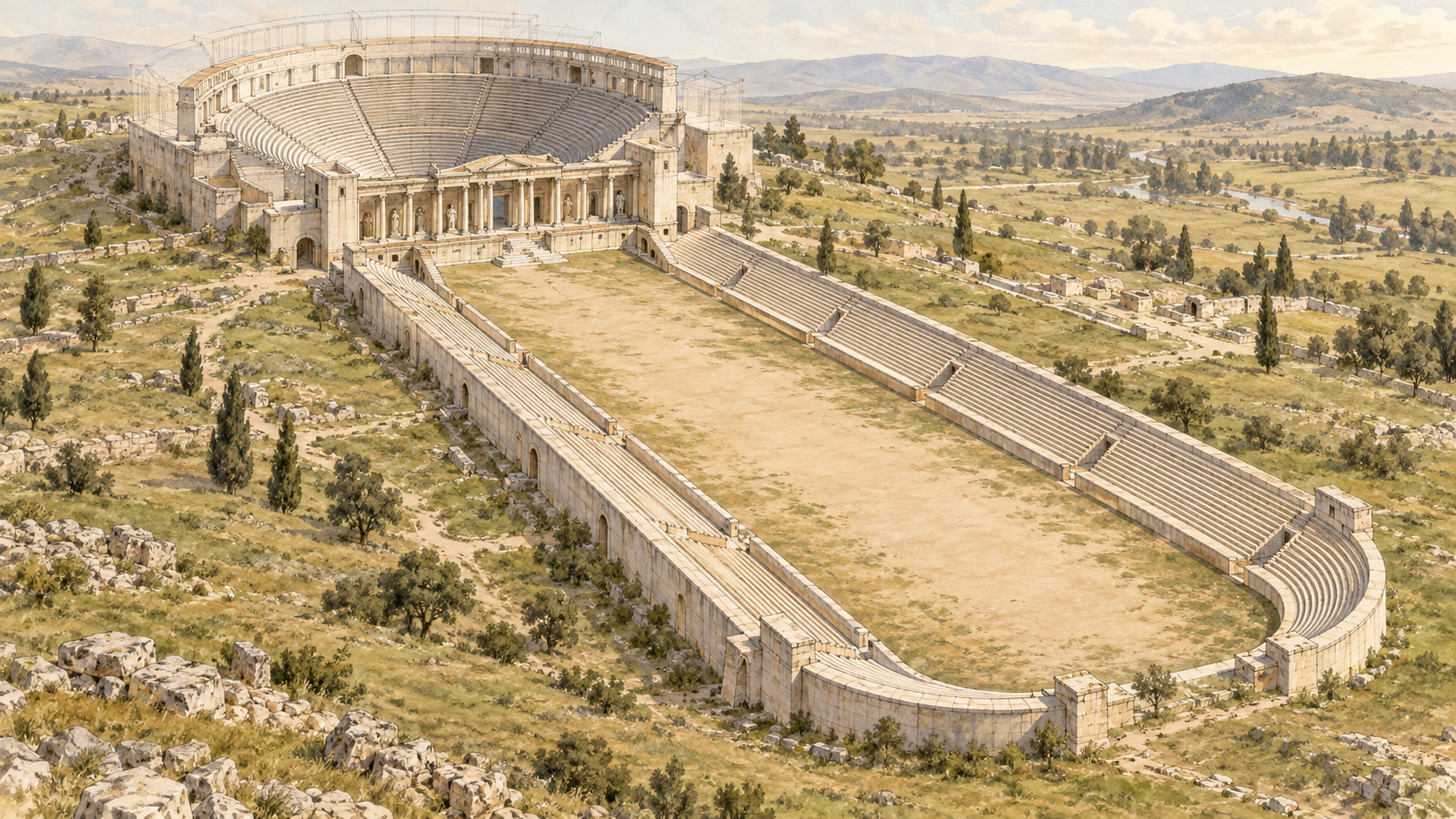
The adjoining theatre and stadium shared an axis and a stage building, connecting two forms of public life.
Stories of stone, earth and people. Meet the past in Çavdarhisar.
How might it have looked? →An ancient city on the banks of the Penkalas: sacred spaces, public life and trade are chapters of the same story.
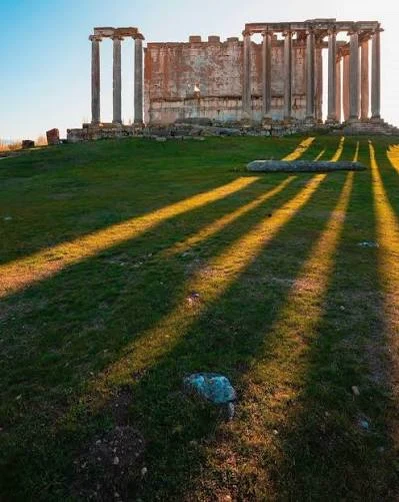
The city’s landmark, with its raised podium and surviving columns. Read the architecture through its remains, then explore its proposed form in the 3D prototype.
Explore the temple in 3D →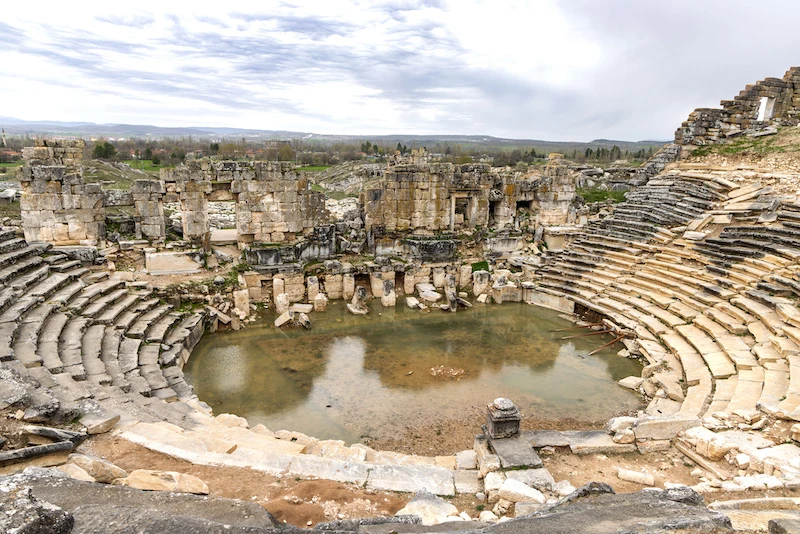
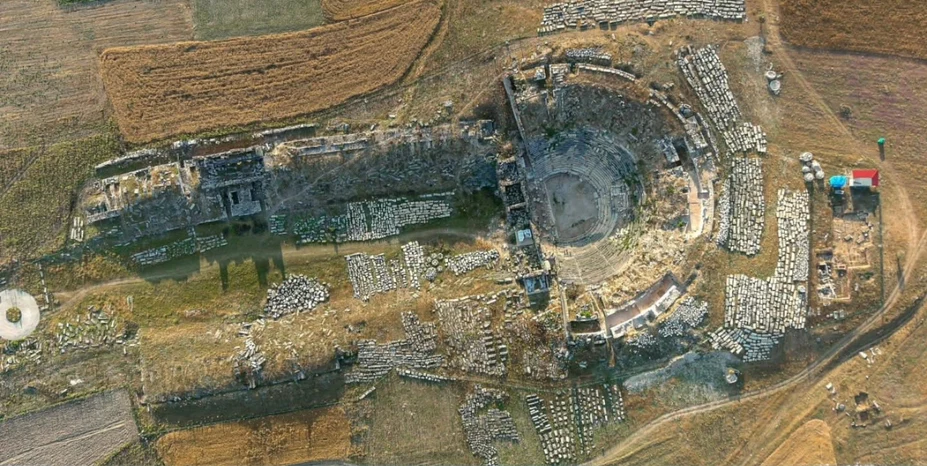
Two adjoining public structures reveal the place of performances and competitions in urban life.
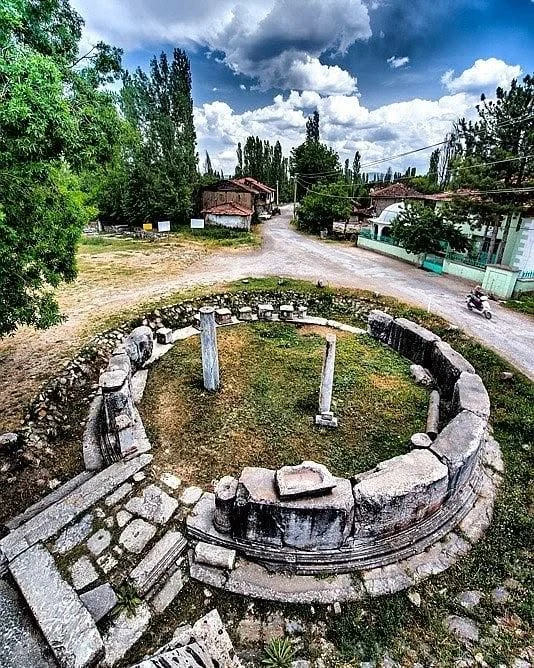
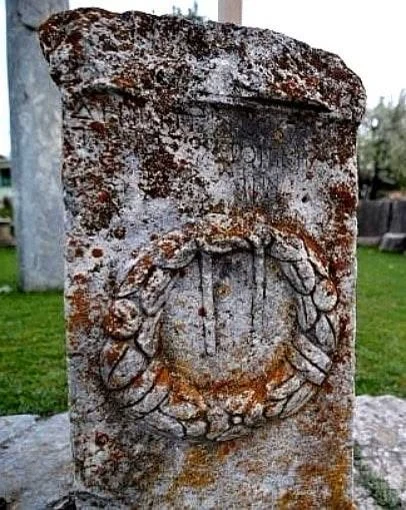
Inscriptions from Diocletian’s price edict of AD 301 in this circular market offer a window into Roman trade.
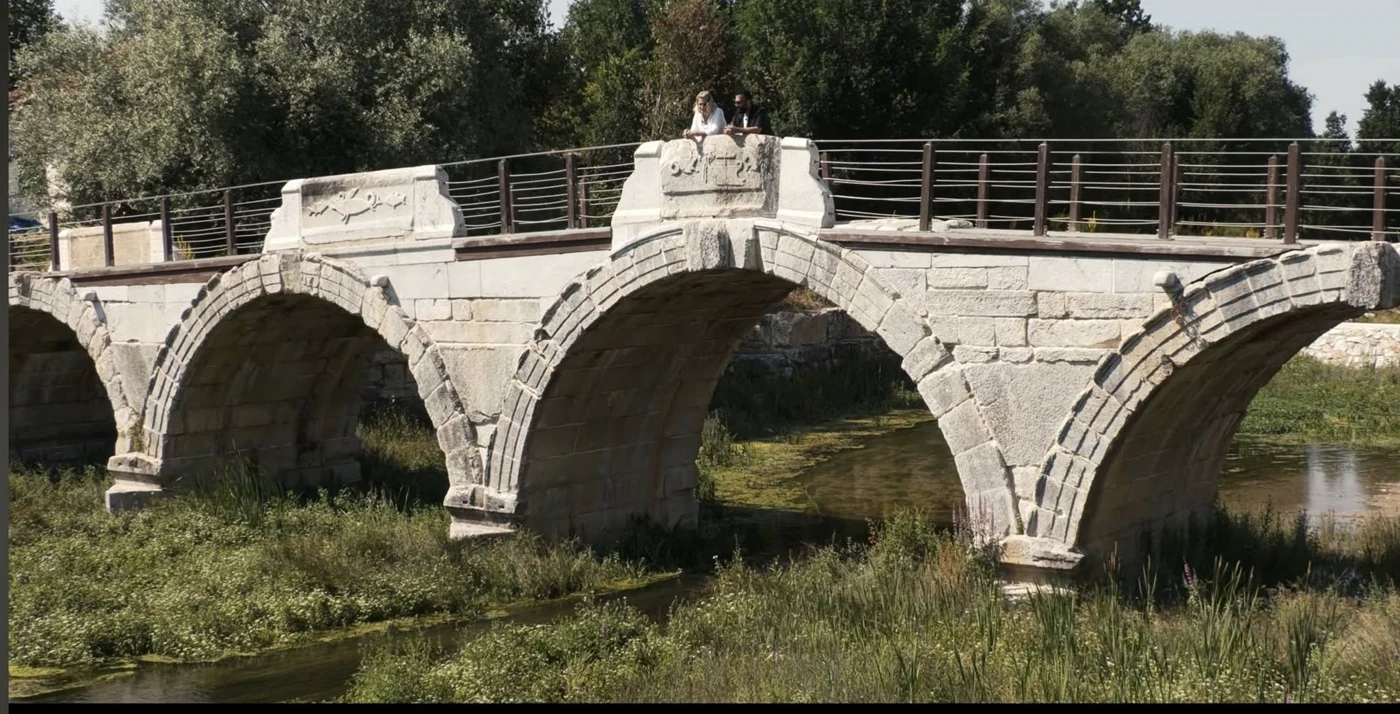
Penkalas, now Kocaçay, runs through the ancient city. Its bridges connect the riverbanks and the stories of the settlement.
The Penkalas, today’s Kocaçay, rises below Mount Murat and flows north along the east side of the city. In the Roman period four marble bridges crossed it in the city centre. Bridge no. 4 is well preserved: it was built by the civic notable Marcus Ulpius Appuleius Eurykles and opened in September AD 157. Bridge no. 2 stands in part; bridges 1 and 3 have collapsed. Both banks were reinforced with flood walls of large limestone blocks; most of them survive, as does a Roman dam about 3 km south of the city. Texier’s 19th-century engraving shows bridge no. 4 and the flood walls.
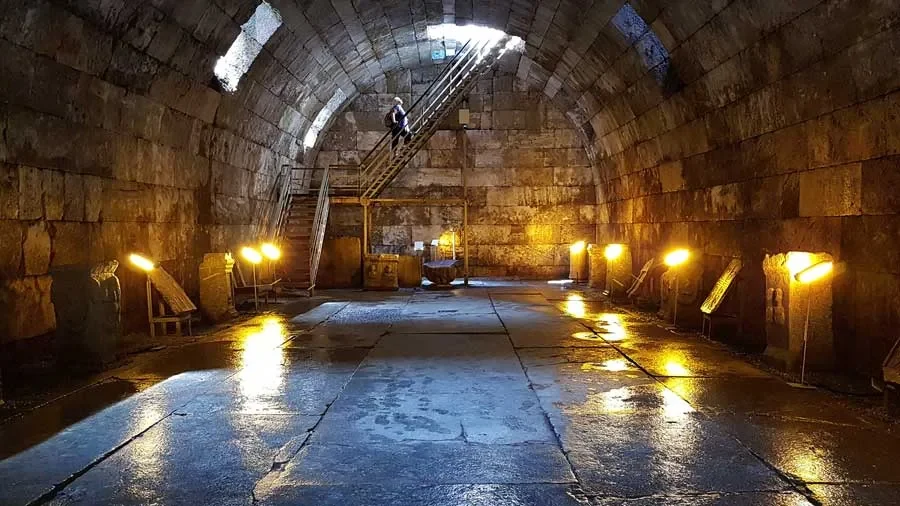
The vaulted space below the temple is one of its most distinctive features. Check current entry conditions on site.
Beneath the cella runs a high vaulted gallery, rare in Anatolian temples. Two readings exist: the gallery was a treasury for valuable offerings; or the cult of the Mother Goddess Kybele (Meter Steunene), worshipped in the Steunos cave about 4 km south of the city, was moved into the temple and shared it with Zeus. The west acroterion is thought to show Kybele, the east one Zeus. In 2022 the gallery was measured to centimetre precision with a phone LiDAR sensor. According to the excavation directorate the temple’s biggest problem is water seeping into this gallery; the 2026 restoration programme was prepared for that reason.
Schematic plan showing how the monuments relate. Tap a marker to open that monument.
North is up. The Penkalas (Kocaçay) flows north along the east of the city. The Temple of Zeus stands on the western hill, the theatre–stadium to the north, the Macellum and colonnaded street to the south. The sanctuary of the Mother Goddess (Meter Steunene) lies off the plan, about 4 km south.
A source-based visual prototype: an interpretive reconstruction awaiting survey and expert validation.
Drag to rotate and zoom in to explore the details.
Evidence level 2 · Published restitutionNaumann 1979 Model: YGT project files. Source cited in the proposal: Naumann (1979). This is not a scan of the surviving remains or a finalized academic model; podium dimensions will be checked against the 2025 excavation results.
Classification follows the Seville Principles (2011) and the London Charter (2009) for virtual archaeology. Levels may change after expert review. Bibliography
From theatre to market: explore the buildings, their uses and interpretations of the past.
The adjoining theatre and stadium shared an axis and a stage building, connecting two forms of public life.
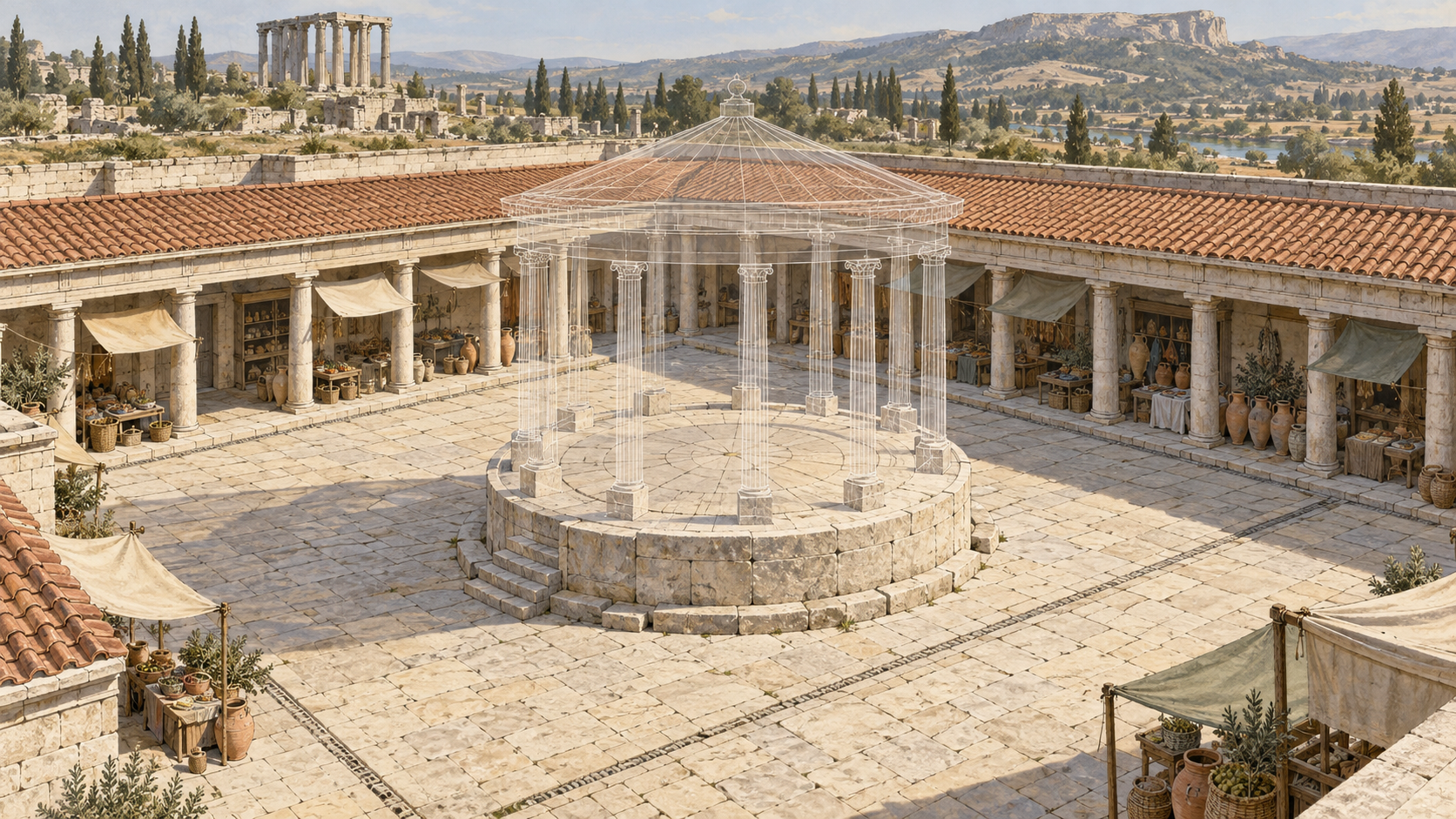
The circular structure and the AD 301 maximum-price inscriptions offer a glimpse of Roman economics through everyday life.
These are not measured reconstructions. Upper structures, materials, surroundings and scenic details include interpretation and await expert review. Linework indicates conjectural completion.
Anyone with a QR-capable phone can take part. Discover the site’s stories and complete a 30-question puzzle.
20 correct: keyring · 25 correct: poster · 30 correct: 3D model souvenir
Open the explorer puzzleReward participation and redemption conditions appear on the game screen.
20 correct answers
25 correct answers
30 correct answers
Complete all 30 questions and earn just one reward at your highest level.
Images: reward designs from the Aizanoi Explorer proposal.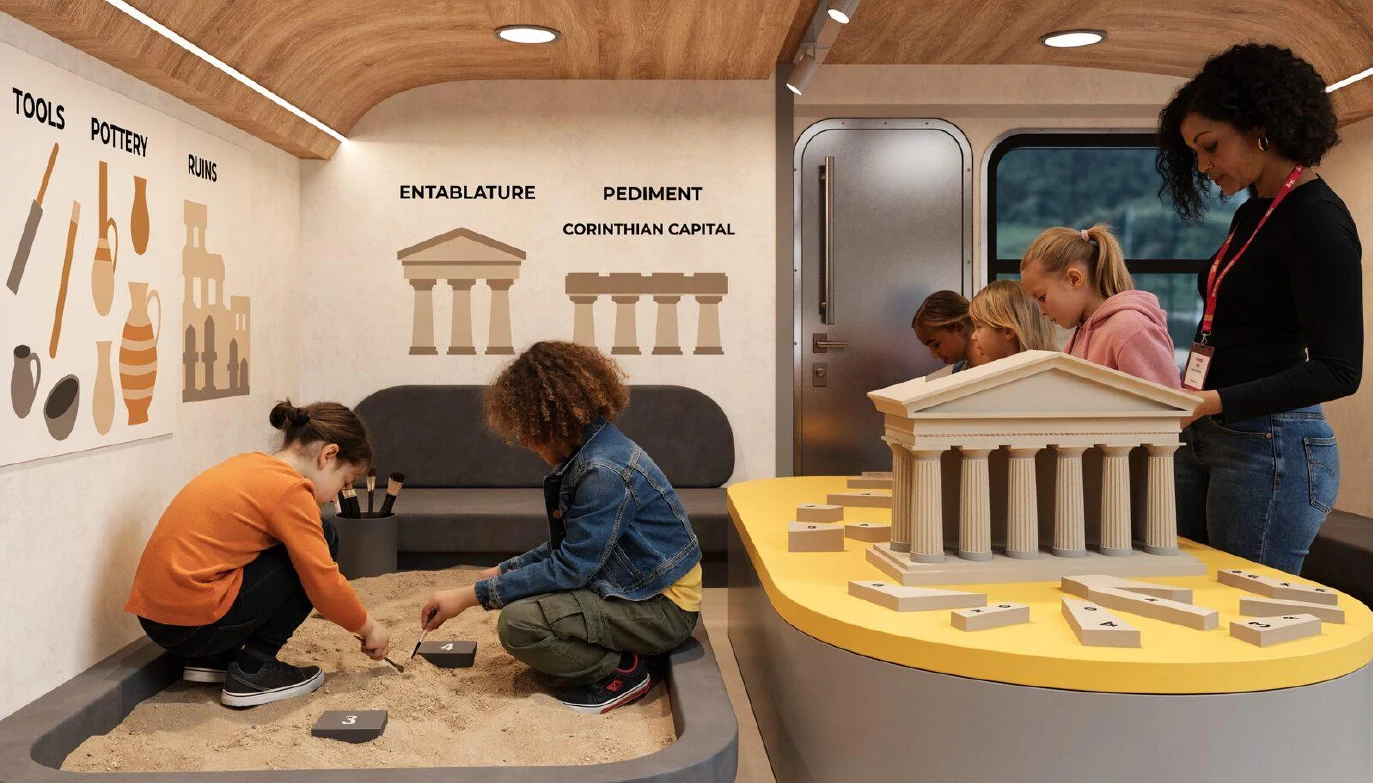
A separate educational project for children aged 6–10, introducing the past through observation, drawing and archaeology activities.
Independent of the Aizanoi Explorer phone puzzle. Workshop dates, participation and registration details will be announced here.
By rail from Türkiye or by air from Europe: reach Kütahya, then continue to Çavdarhisar. Build your connections step by step.
YHT high-speed train → Eskişehir → Raybüs → Kütahya
Flight alternative: Istanbul (IST) → Zafer (KZR) → shuttle to KütahyaTake a high-speed YHT train from Istanbul or Ankara to Eskişehir, then a Raybüs (regional train) to Kütahya. The YHT does not run directly to Kütahya.
Check both trains and allow time to change. If flying into Istanbul, include the city transfer from the airport to your YHT station.
TCDD · Trains and ticketsContinue from Kütahya ↓Turkish Airlines serves Istanbul Airport (IST); SunExpress serves Düsseldorf (DUS), Germany. Operating days and times vary by season.
The airport lists a shuttle connection with central Kütahya. International passengers must reserve. Give your flight number to confirm the meeting point and city drop-off.
Zafer · Flight informationShuttle times and reservations ↓Check TUI fly for dated departures from Brussels (BRU) to Eskişehir. Booking sites may also call the airport “Eskişehir / Anadolu”.
The airport lists municipal buses and minibuses serving İki Eylül Campus. Check the stops and changes needed to reach the station; a taxi is another option. Continue by Raybüs (regional train) from Eskişehir station to Kütahya.
TUI fly · Brussels–EskişehirAirport ground transportKütahya railway station and bus terminal are separate. After your train, take local transport or a taxi to the bus terminal; ask about this connection when using the airport shuttle too.
Kütahya Municipality · Local transportÇavdarhisar Municipality lists an hourly minibus (dolmuş) from Kütahya bus terminal. This is not a municipal bus timetable. First / last departures, weekend arrangements and return times are not published.
Before setting off, confirm your return and the closest drop-off to the Aizanoi entrance. The municipal switchboard can direct transport enquiries: +90 274 351 20 06.
Source · Çavdarhisar MunicipalityZafer → Kütahya: no fixed airport departure time is published. Confirm pickup and departure with the operator for your flight.
Shuttle / reservations: +90 530 490 92 16
| Flight connection | Departure from Kütahya |
|---|---|
| Istanbul flight | 12.30 |
| Düsseldorf flight · Saturday schedule | 12.15 |
These times are for travel to the airport. The shuttle page lists a Saturday schedule, while the flight board also shows Monday Düsseldorf flights from 26 October 2026. Confirm the day and time when reserving, especially for the winter schedule. All times are local to Türkiye (UTC+3).
Source · Zafer shuttle informationSources checked: 8 October 2026. These journeys combine separate services; they do not imply a through ticket or a guaranteed connection. Check every leg and your return before booking.
Sardis, Nicaea, Cyzicus and Sagalassos: choose your starting city and build a journey through ancient places.
Visits are to archaeological sites only. Town names locate the archaeological sites; they are not additional sightseeing stops.
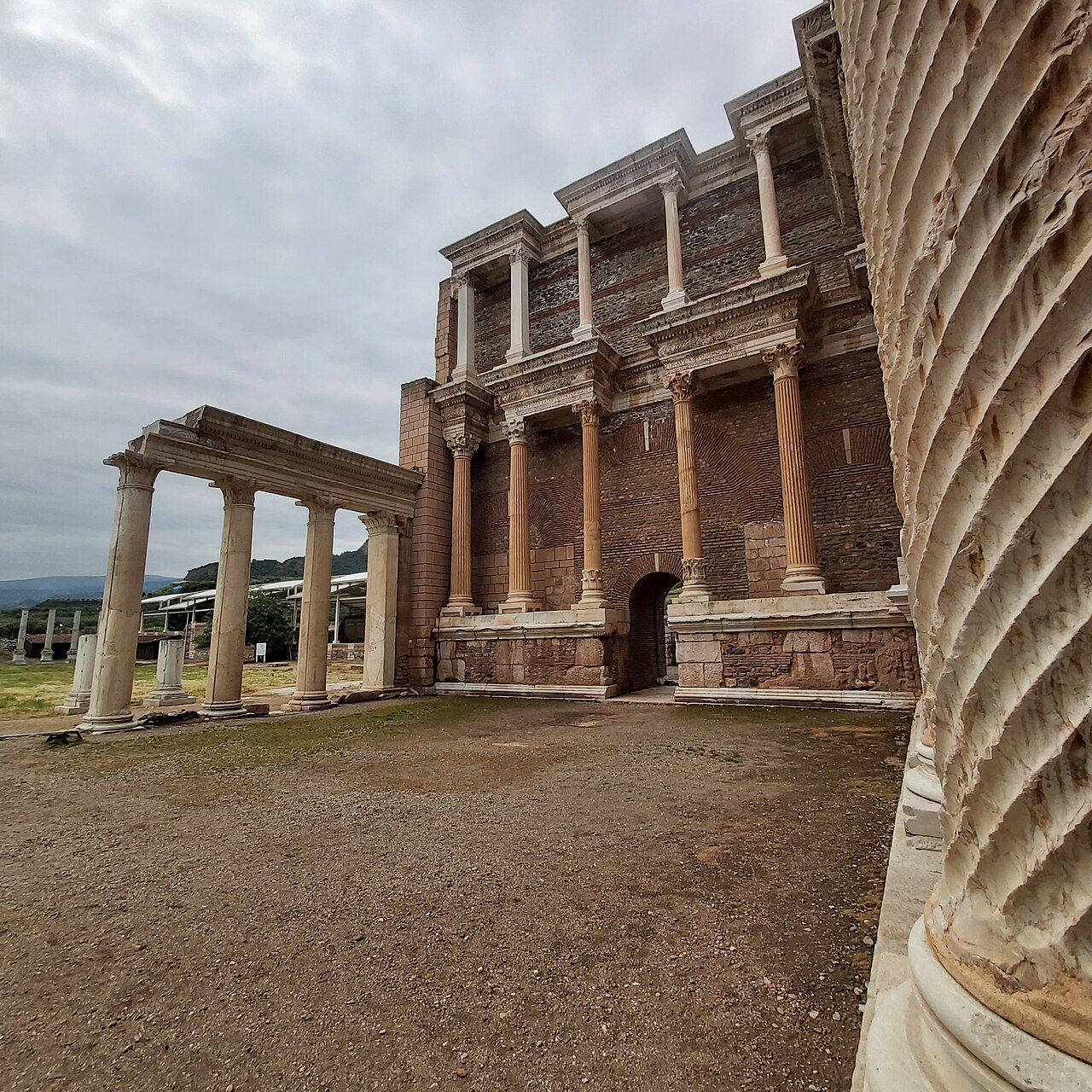
Suggested: 2 days
Make Sardis the centrepiece of your journey. The Lydian capital’s bath-gymnasium, synagogue and Temple of Artemis introduce the temples, commerce and public life you will explore at Aizanoi.
İzmir: Ephesus / Pergamon → Salihli, Manisa (Sardis) → Çavdarhisar, Kütahya (Aizanoi)
Compare a direct drive ↗
The thin line follows road connections; use the map button for navigation. Ephesus and Pergamon are alternative starting points.
Road data: © OpenStreetMap · OSRM · Coastlines: Natural Earth
Choose Ephesus or Pergamon around İzmir as your starting visit, then continue to Sardis and Aizanoi. Ephesus and Pergamon are separate sites; allow extra days to visit both.
The bath-gymnasium and synagogue, and the Temple of Artemis are separate visit areas; allow more than a photo stop. Sardis and Bin Tepe have been on the UNESCO World Heritage List since 2025.
Continue to Aizanoi at Çavdarhisar. Reserve the following morning for the Temple of Zeus, Macellum and theatre–stadium.
Day 1: Sardis. Day 2: Aizanoi. An overnight stay in Uşak or around Çavdarhisar avoids rushing two major sites.
Ephesus (Selçuk) and Pergamon (Bergama) are two separate starting options around İzmir. To visit both, add sightseeing days before the Sardis–Aizanoi leg.
Research sources: Sardes · Kültür Portalı · Sardes & Bin Tepe · UNESCO · Efes / Ephesus · UNESCO
Day counts are suggestions for an unhurried visit, not official tours or driving times. Maps calculate current routes between the selected stops; connecting roads may vary. Check opening times, tickets and excavation access before departure. Researched: 8 October 2026.
These heritage itineraries are designed for travel by car. Travel by train, plane and minibus
Experience designs from the proposal. These images illustrate planned ideas, not facilities currently open to visitors.
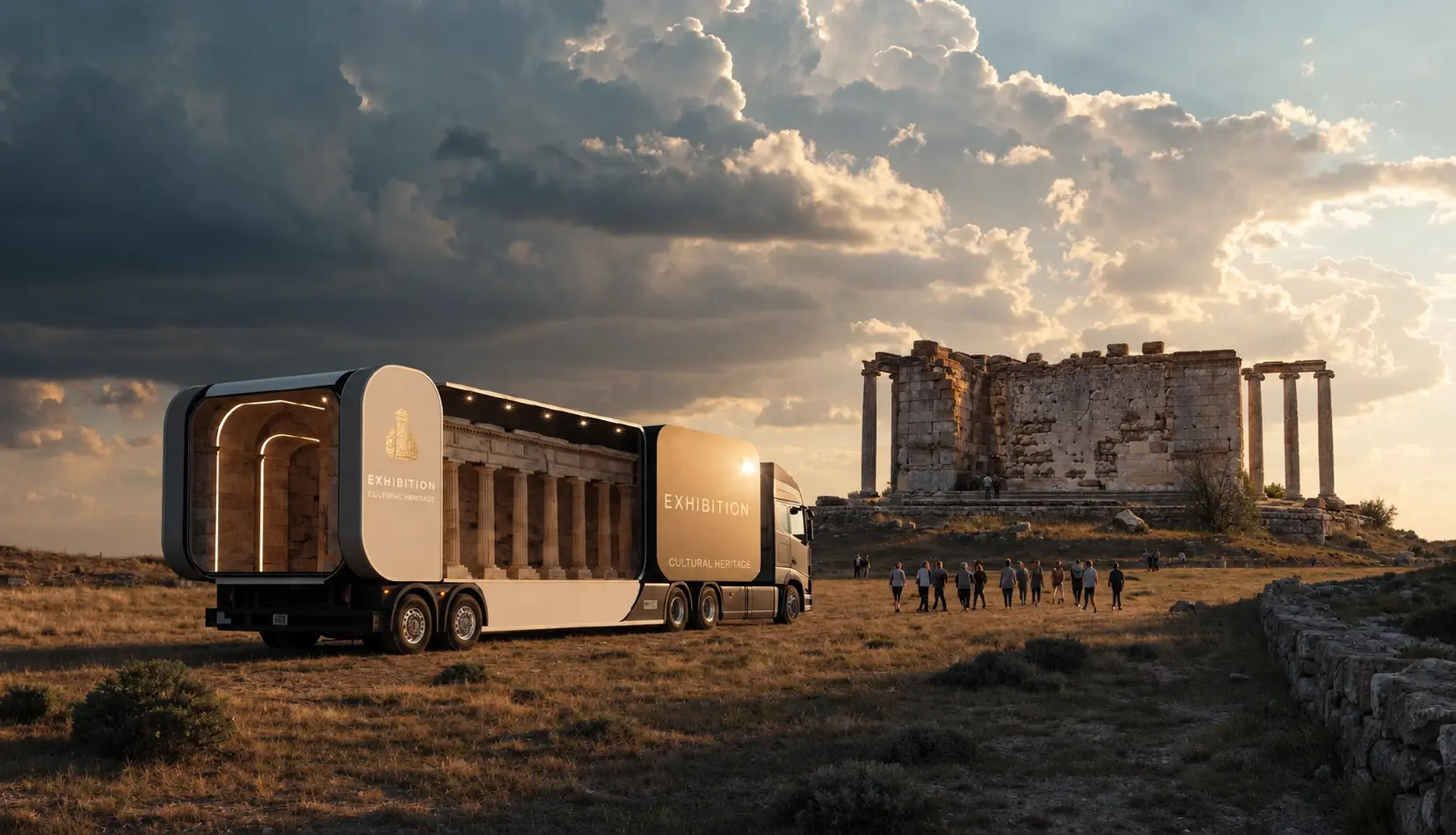
An exhibition concept bringing Aizanoi’s story to other cities.
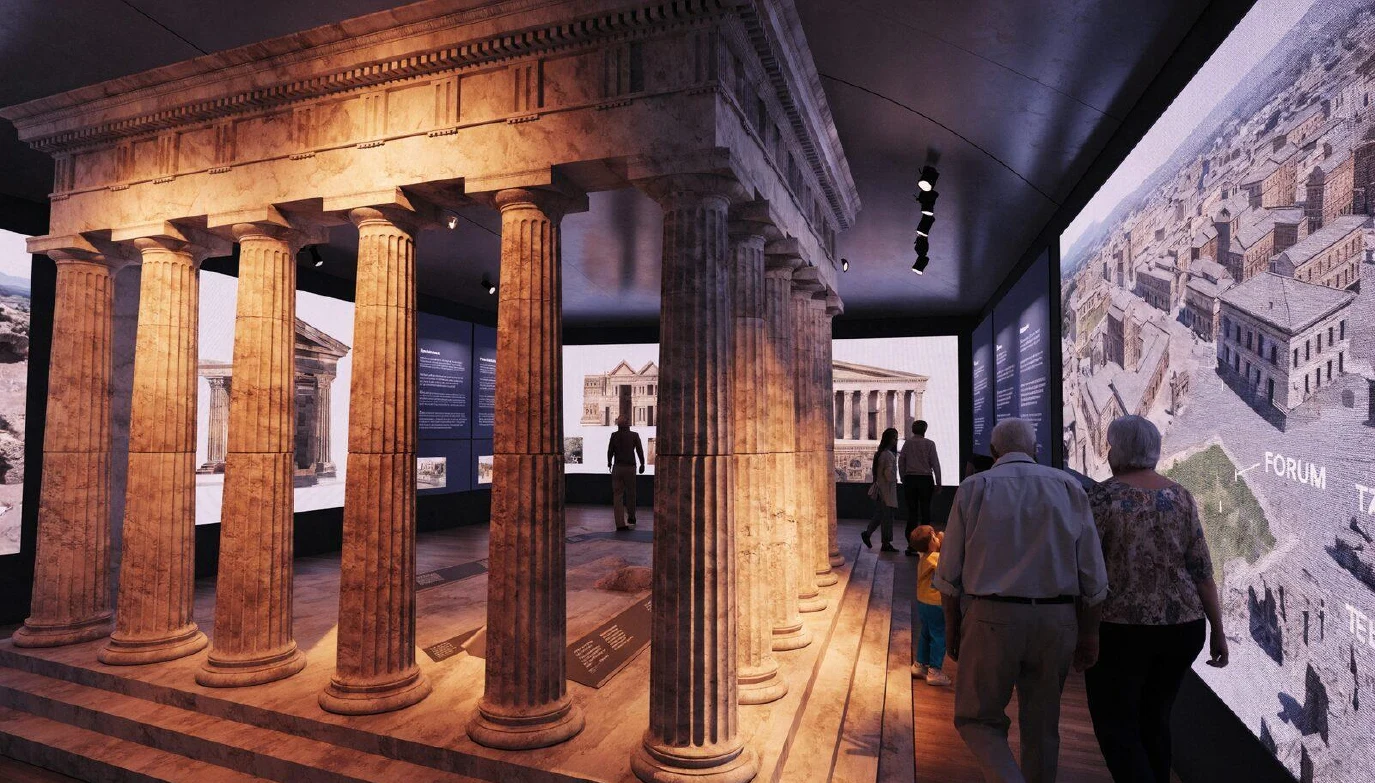
An exhibition design combining architecture, stories and digital discovery.
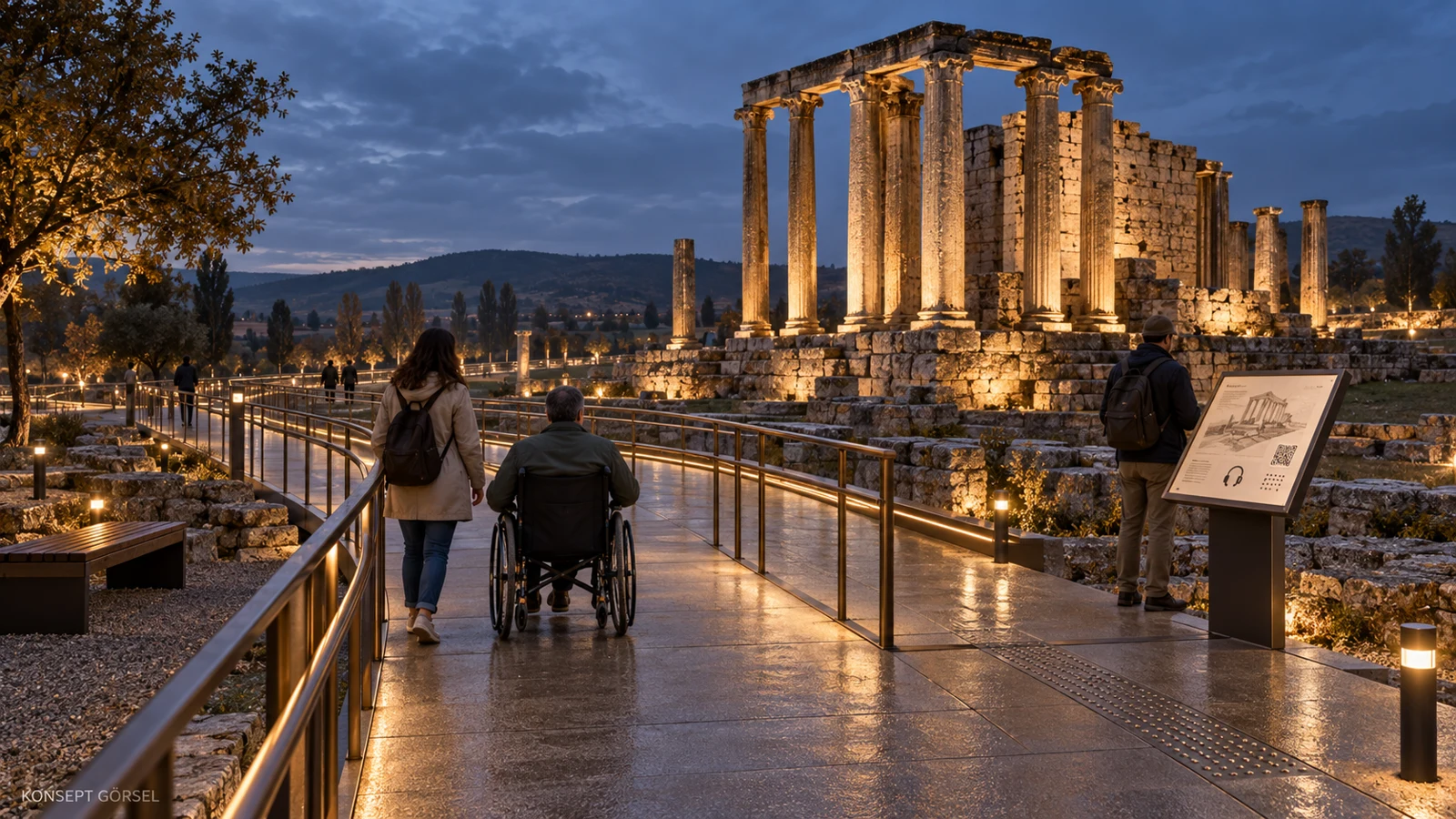
A design proposal for accessible paths and evening lighting.
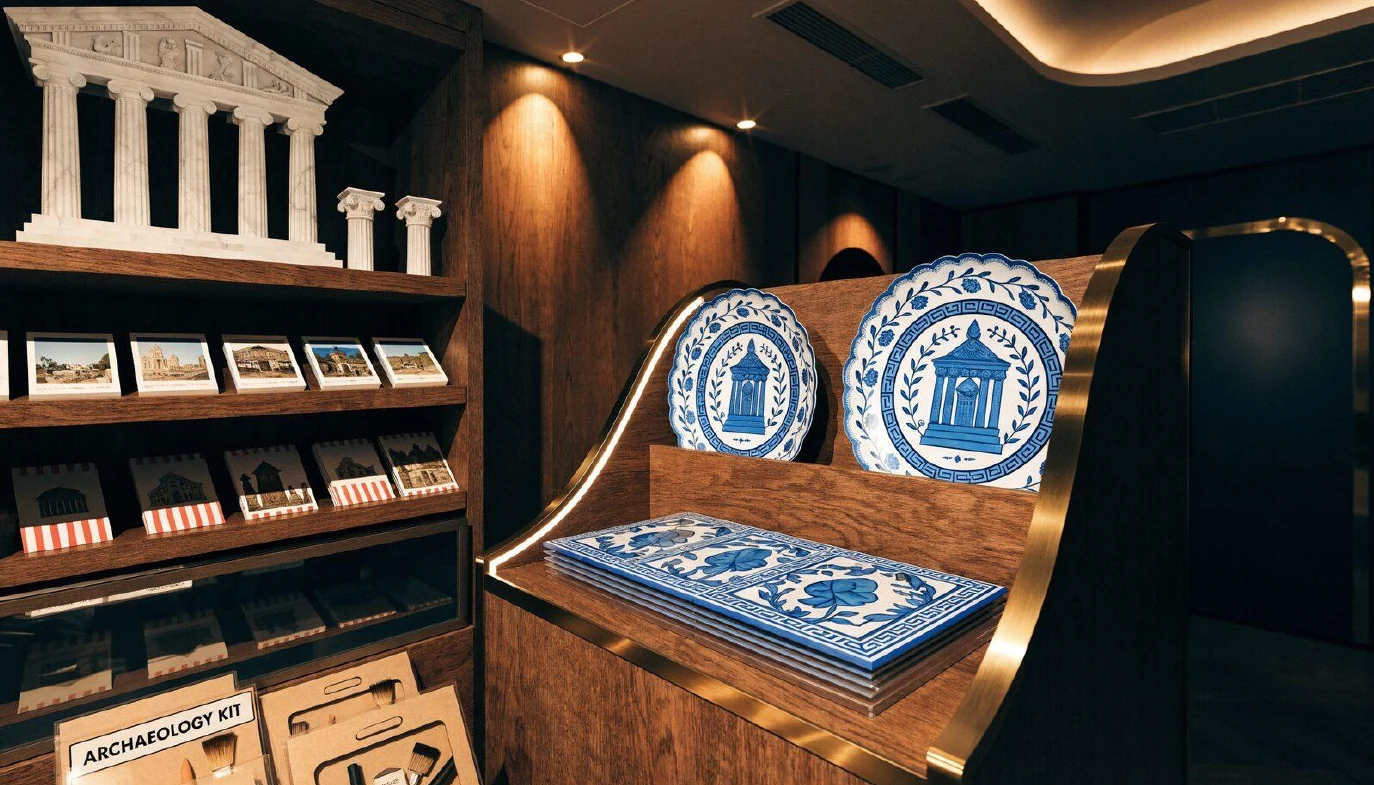
A cultural connection with Kütahya ceramics and local craft.
| Summer (1 March – 1 October) | 08:45 – 19:00 (ticket office 19:00) |
|---|---|
| Winter (1 October – 1 March) | 08:45 – 17:30 (ticket office 17:30) |
| Foreign visitor (age 8 and over) | 3 € |
| Turkish citizen, adult | 200 TL |
| Turkish citizens aged 8–18 and over 65, students of related departments, children under 8 | Free |
| MüzeKart | Valid for Turkish citizens; sold on site. |
| Phone | +90 274 351 21 01 |
| Address | Cumhuriyet Cad., Kemaller Mah., 43710 Çavdarhisar / Kütahya |
May be closed until noon on the first day of religious holidays. Hours and fees are set by the Ministry and can change; confirm on the official portal before travelling. muze.gov.tr
See the transport guide for rail connections, airport shuttles and the Çavdarhisar minibus. Confirm the last return departure before travelling.
Current surfaces, steps, ramps, parking and toilets have not been field-verified. Discuss your requirements with site staff before visiting.
Provincial culture and tourism officeLocal producers, ceramic workshops, guides and cultural stops will form the next part of this guide, developed with verified business and event information.
Suggest content